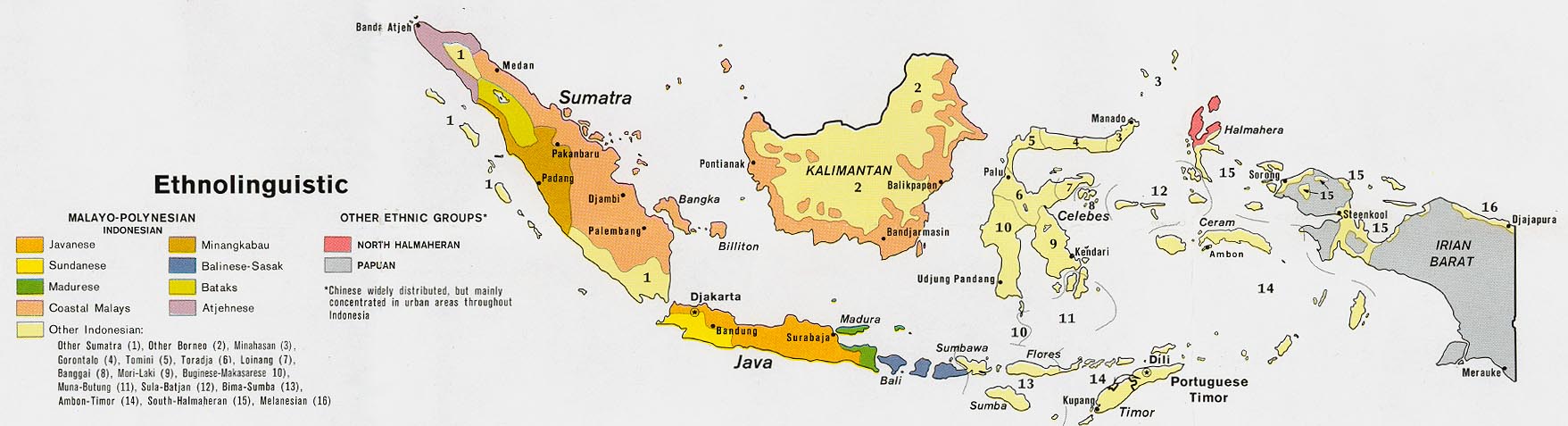
The Kemtuik people, also known as Kamtuk, form a distinct ethnic group within the New Guinea people cluster, residing exclusively in the northeastern region of Papua Province, Indonesia. They inhabit the remote Grime Nawa Valley in Jayapura Regency, where their ancestors have lived for generations amid lush rainforests and river systems. The Kemtuik speak the Kemtuik language, a Papuan tongue from the Nimboran family, which features three dialects and is closely related to the Gresi language. This linguistic isolate reflects their ancient isolation, with historical roots tracing back to early migrations across Papua's rugged terrain, shaping a resilient community tied to the land long before modern boundaries emerged.
Kemtuik families dwell in small villages scattered along the Grime River and its tributaries, such as Aib, Aimbe, Braso, and Sabron Yaru, where daily life revolves around subsistence farming, hunting, and gathering. Men venture into the forest to hunt wild game or fish with spears and traps, while women tend gardens of tubers, bananas, and sago palms that provide their staple foods. Homes consist of thatched-roof structures raised on stilts to guard against floods and wildlife, fostering close-knit clans where elders pass down oral traditions around evening fires. Though some younger members migrate to nearby Jayapura for work or schooling, most remain in these isolated hamlets, navigating muddy trails or canoes for trade in forest goods, all while contending with the valley's humid climate and seasonal rains.
The Kemtuik adhere predominantly to traditional animistic practices, viewing the natural world as alive with spiritual essences that dwell in rivers, trees, animals, and even stones. Rituals and offerings seek harmony with these spirits, which they believe influence health, harvests, and weather, while shamans mediate between the living and ancestral realms to resolve misfortunes. Though Indonesia's broader religious landscape has introduced influences from neighboring groups, the Kemtuik have largely preserved their ancestral worldview, with limited exposure to outside faiths keeping their spiritual life rooted in the rhythms of the valley's unseen forces.
Palm oil plantations encroaching on ancestral lands in the Grime Nawa Valley disrupt traditional farming and threaten food security for Kemtuik communities. Remote villages struggle with inadequate roads and transportation, isolating families from markets, healthcare clinics, and schools that could equip the next generation.
Clean water sources often run scarce during dry spells, leading to health issues that compound the challenges of limited medical access.
Pray for the Holy Spirit to bring revival to Kemtuik families and churches, leading them to share Christ and disciple others.
Pray for the Lord to strengthen any flickering lights of faith and shield them from doubt.
May the Merciful Provider supply pure water, healing medicines, and open paths of learning so that Kemtuik children flourish in body and spirit, ready to embrace their God-given calling.
May Kemtuik voices one day rise in joyful praise, joining the eternal song of redeemed nations before God's throne.
Scripture Prayers for the Kemtuik in Indonesia.
Ethnologue: Languages of the World, 26th edition (Kemtuik entry).
Field insights from indigenous rights reports in Jayapura Regency, Papua Province.
| Profile Source: Joshua Project |